
Before You Hire
How To Hire the Right Furniture Repair Company
(Without Getting Burned)
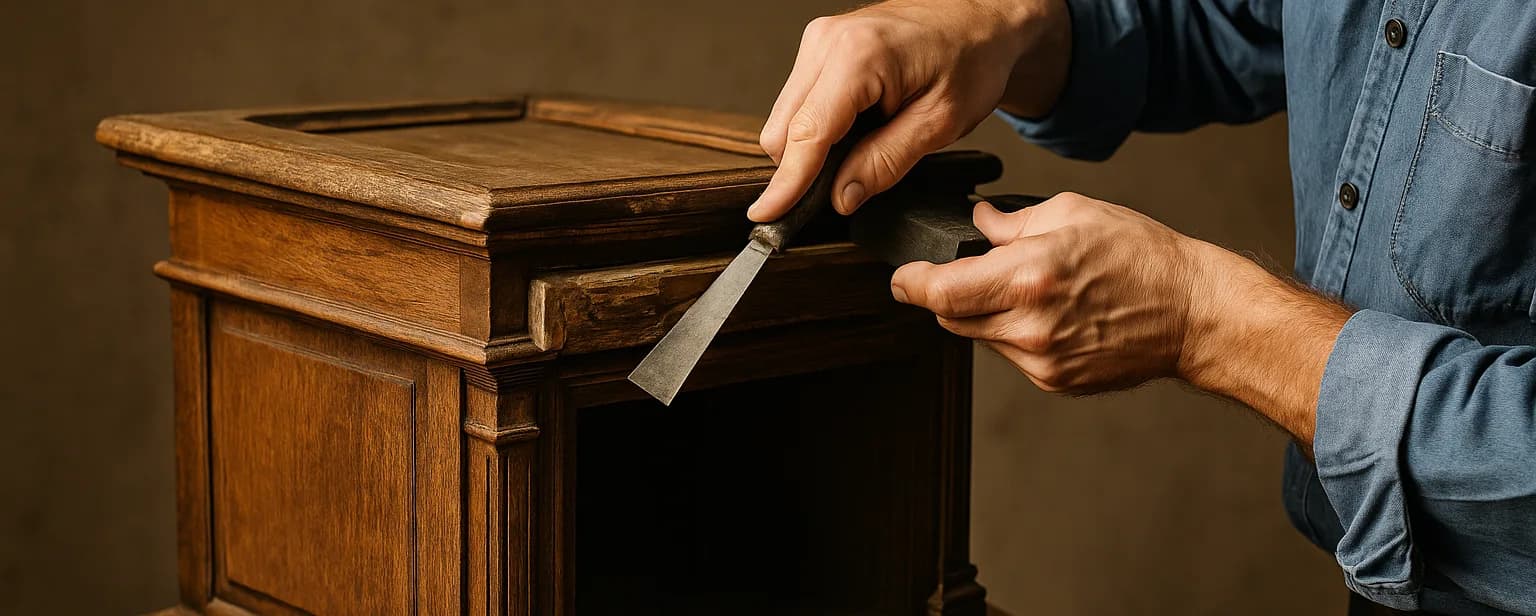
Your furniture tells a story — and the right repair can help it last for generations. Whether you’re trying to fix a sagging recliner, a scratched table, or an heirloom dresser, this guide will help you make the smartest hire possible.
The Hidden Risk of Choosing the Wrong Repair Shop
Furniture repair is often a one-shot deal. Once someone sands down your finish or staples on new fabric, it’s hard to go back. Choosing the wrong shop can mean poor craftsmanship, mismatched materials, or even permanent damage. Meanwhile, the right pro can bring new life to a piece — whether it’s sentimental, valuable, or just too good to toss.
That’s why it pays to understand your options, ask smart questions, and use tools like our repair cost calculator or our Find a Pro tool to compare local businesses.
Know Your Repair Needs First
Before you reach out to a pro, take a moment to define what you need. This helps you find someone who specializes in your type of project. Here are some common categories:
- Reupholstery: Replacing fabric, leather, or padding. Great for restoring seats, sofas, and armchairs.
- Refinishing: Stripping, sanding, staining, and sealing wood to restore its appearance or match modern decor.
- Structural Repair: Reinforcing or replacing damaged frames, legs, drawers, or hardware.
- Mechanism Fixes: Repairs for recliner arms, footrests, or internal hardware like springs and motors.
- Damage Restoration: Fixing pet scratches, water rings, smoke damage, or cracks in veneers.
Each repair type requires different skills — and often different tools or materials.
What to Avoid When Vetting Repair Companies
You can learn a lot from how a company markets itself and responds to inquiries. Avoid any company that:
- Can’t show examples of past work or reviews from actual customers
- Gives vague quotes or won’t commit to a price range without inspection
- Has no physical location or only operates via Facebook or Craigslist
- Refuses to explain their process, materials, or timeframes
- Offers suspiciously low prices without any backing or guarantees
Many low-end companies simply outsource repairs or rush through jobs. If it sounds too good to be true, it probably is.
What a Great Furniture Repair Pro Looks Like
On the flip side, experienced and trusted furniture repair companies tend to have:
- High-quality photos of similar repair jobs — ideally with before and after shots.
- Transparent pricing — including pickup/delivery fees, labor, and material estimates.
- 4.5-star ratings or better across multiple review platforms, with detailed written feedback.
- Specialties in woodwork, upholstery, antique restoration, or whatever you need.
- Local presence — so if something goes wrong, you can reach someone quickly.
Smart Questions to Ask Before Hiring
These questions help you weed out the bad fits and build confidence in your final decision:
- Have you worked on pieces like this before?
- How do you match wood tones or upholstery materials?
- Will I get a written estimate before the work starts?
- Do you offer a warranty or stand behind your repairs?
- Can I drop off my furniture, or do you offer pickup?
If they hesitate on any of these, keep looking.
How Much Should You Expect to Pay?
Furniture repair pricing varies — but there are some general ranges you can expect:
- Minor cosmetic fixes: $50–$150
- Basic reupholstery: $100–$400 per chair or seat
- Full refinishing: $300–$900 depending on size and detail
- Antique or intricate repairs: $500–$1,500+
Explore Top-Rated Shops Near You
We’ve built local guides to help you compare vetted shops in your area. These include photos, average pricing, and services offered by city:
More cities coming soon.
DIY vs. Pro Repair: Know When to Call in Help
Some fixes you can absolutely handle yourself. Loose chair legs, minor scuffs, or squeaky drawers are all fair game. But for reupholstery, antique work, or structural repairs — leave it to the pros.
If the repair involves specialty tools, matching stains or fabrics, or disassembling furniture, it’s worth investing in a professional. The cost is often far less than replacing a quality piece — and the results will last longer.
Final Thoughts: A Little Research Goes a Long Way
Hiring the right furniture repair professional can save you hundreds (or thousands), preserve heirlooms, and keep good furniture out of the landfill. Just be thoughtful, ask the right questions, and don’t rush the decision.