
DIY Furniture Repair
DIY Furniture Repair
Tips, Tools, and When To DIY vs Hire a Pro
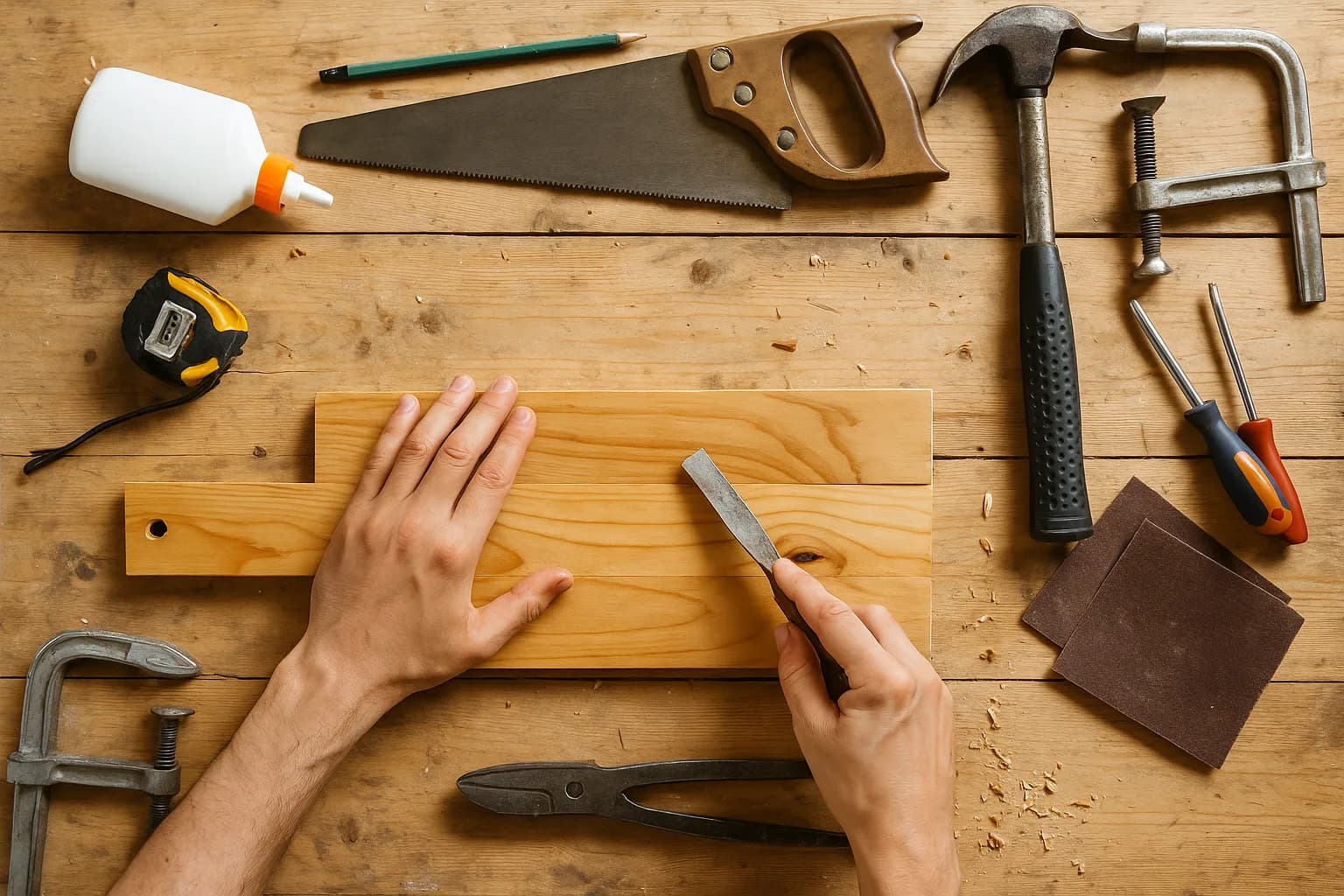
Not every furniture fix requires a professional. Whether you’re tightening a loose leg, patching up scratches, or re-gluing a drawer, this guide will walk you through simple repairs you can do at home — and when it’s smarter to call in the pros.
When Is DIY the Right Choice?
If the repair is minor, cosmetic, or doesn’t require specialized tools or materials, DIY can save you time and money. Here are great candidates for at-home fixes:
- Loose chair or table legs
- Surface scratches or nicks on wood furniture
- Squeaky drawers or doors
- Minor upholstery issues like sagging foam or loose fabric
- Wobbly joints or missing screws
For anything more complex — like refinishing, antique restoration, or recliner mechanisms — professional help is often worth the investment.
Basic Tools Every DIYer Should Have
You don’t need a workshop to do furniture repairs — just a few affordable tools and supplies:
- Wood glue (like Titebond or Gorilla Wood Glue)
- Clamps or weights for holding glued parts
- Sandpaper (120 to 220 grit)
- Wood filler or wax repair sticks
- Touch-up stain markers or paint
- Staple gun or upholstery tacks
- Phillips and flathead screwdrivers
Optional tools like a palm sander or small drill can make bigger jobs easier.
Common DIY Repairs and How to Handle Them
Here’s a quick breakdown of the most common fixes:
- Loose joints: Apply wood glue, clamp overnight, and wipe off excess.
- Scratches and scuffs: Use a furniture marker, wax stick, or stain to blend in the damage.
- Wobbly legs: Tighten screws or bolts; if stripped, add wood glue and a toothpick to fill the hole before reinserting the screw.
- Peeling veneer: Apply wood glue under the lifted veneer, press flat, and clamp or weigh it down.
- Sagging seat cushions: Add or replace foam padding and secure fabric with a staple gun.
Most of these fixes take under 30 minutes.
What to Avoid Doing Yourself
Some repairs are better left to professionals — even if you’re handy:
- Antique or valuable pieces: One wrong move can ruin value.
- Upholstery with complex curves or tufting
- Broken frames or recliner mechanisms
- Matching wood stains or paint finishes perfectly
- Leather repairs: These usually require pro-grade materials and experience.
If you’re unsure, get a free quote first and weigh the risks.
Where to Get Supplies
You can find furniture repair supplies at:
- Home Depot or Lowe’s
- Local hardware stores
- Online retailers like Amazon or Rockler
- Specialty shops for upholstery or wood finishing
Many also carry kits specifically for furniture repair.
Final Thoughts: Know Your Limits
DIY furniture repair can be fast, satisfying, and cost-effective. But don’t hesitate to call in a pro for anything outside your comfort zone — especially if the piece has value or complexity.