Repair Cost Guide
Furniture Repair Cost Guide
How much does furniture repair cost in 2026?
Browse Repair Cost Guides
Choose a furniture type to see average repair costs, what affects pricing, and next steps.
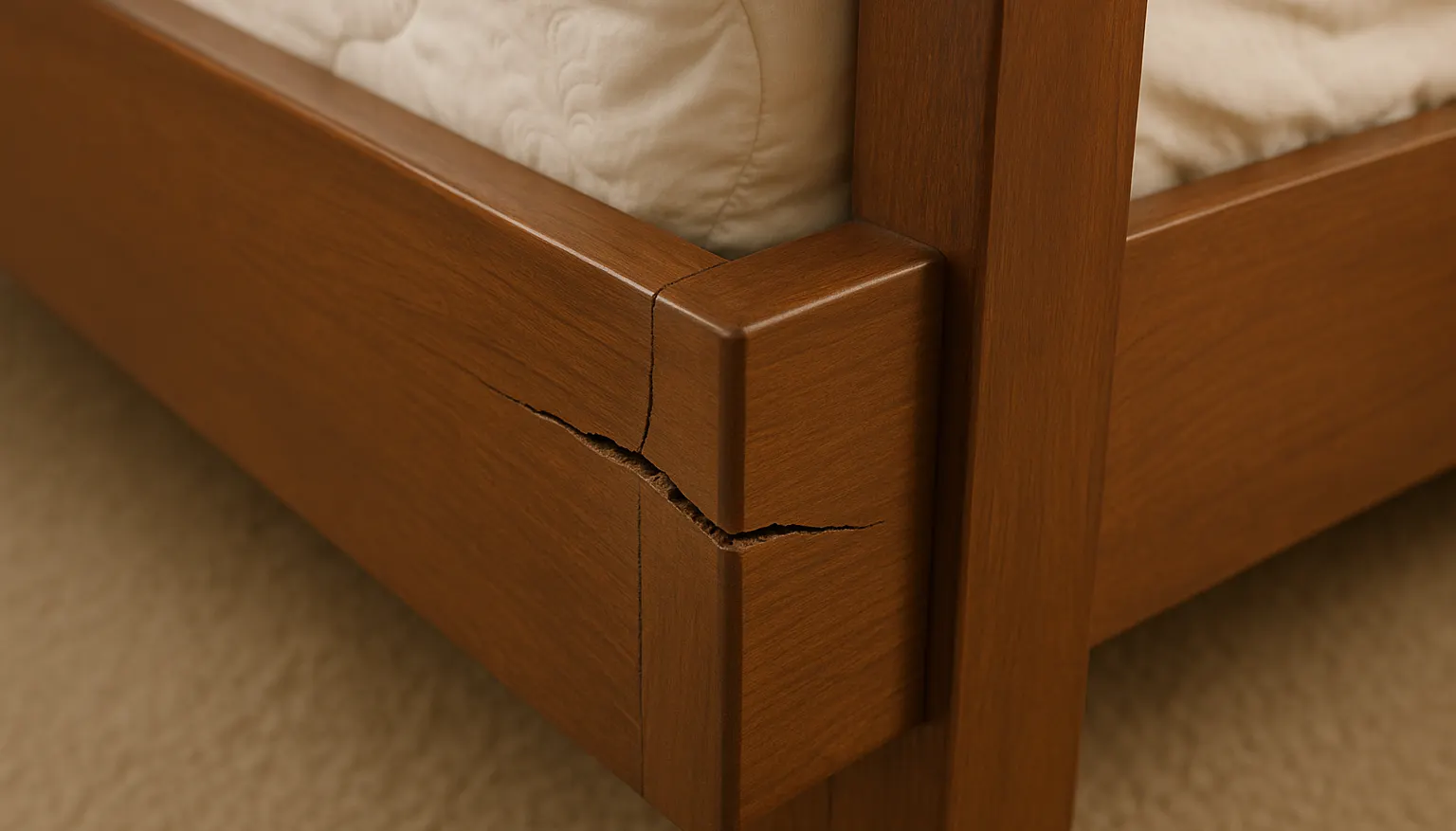
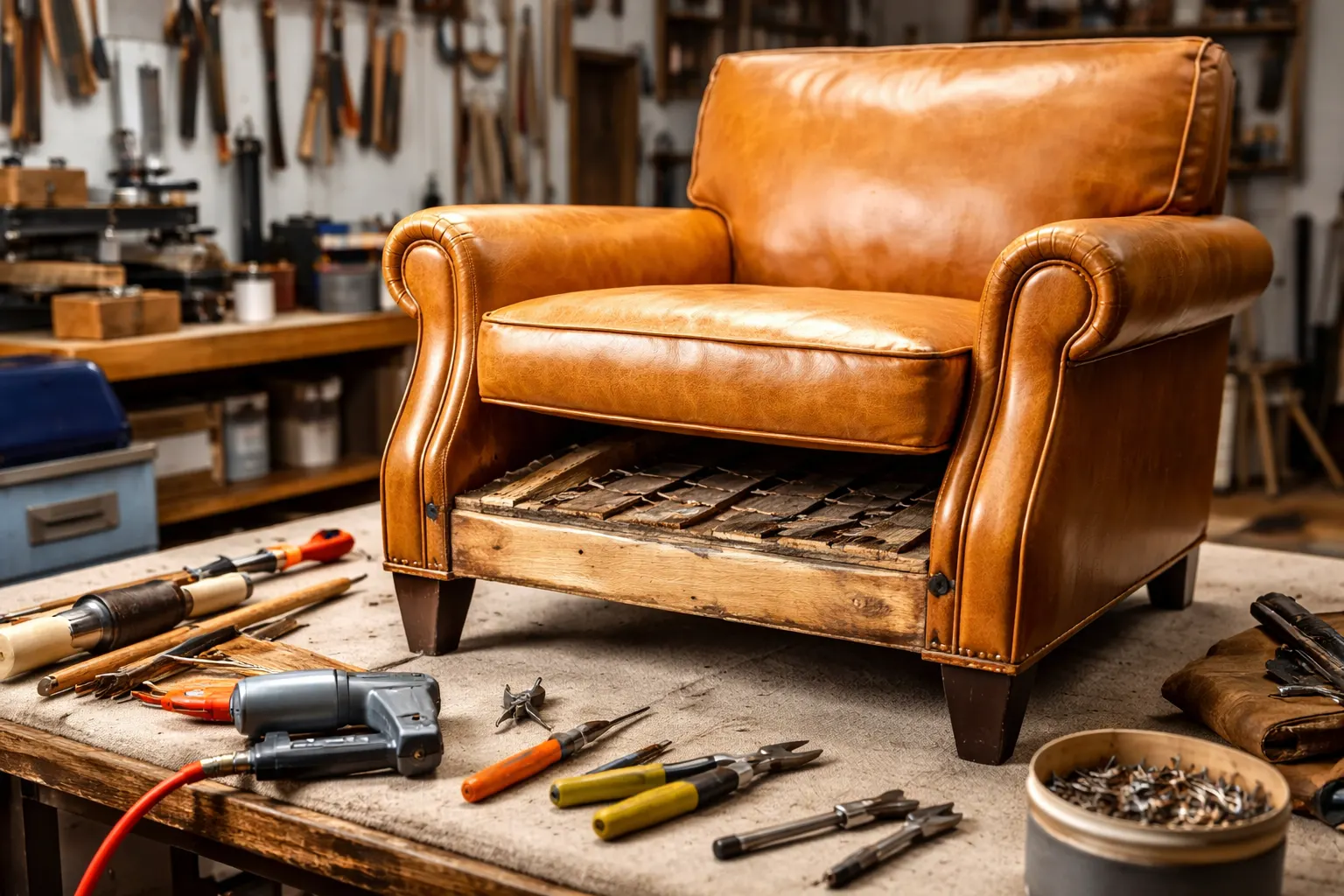

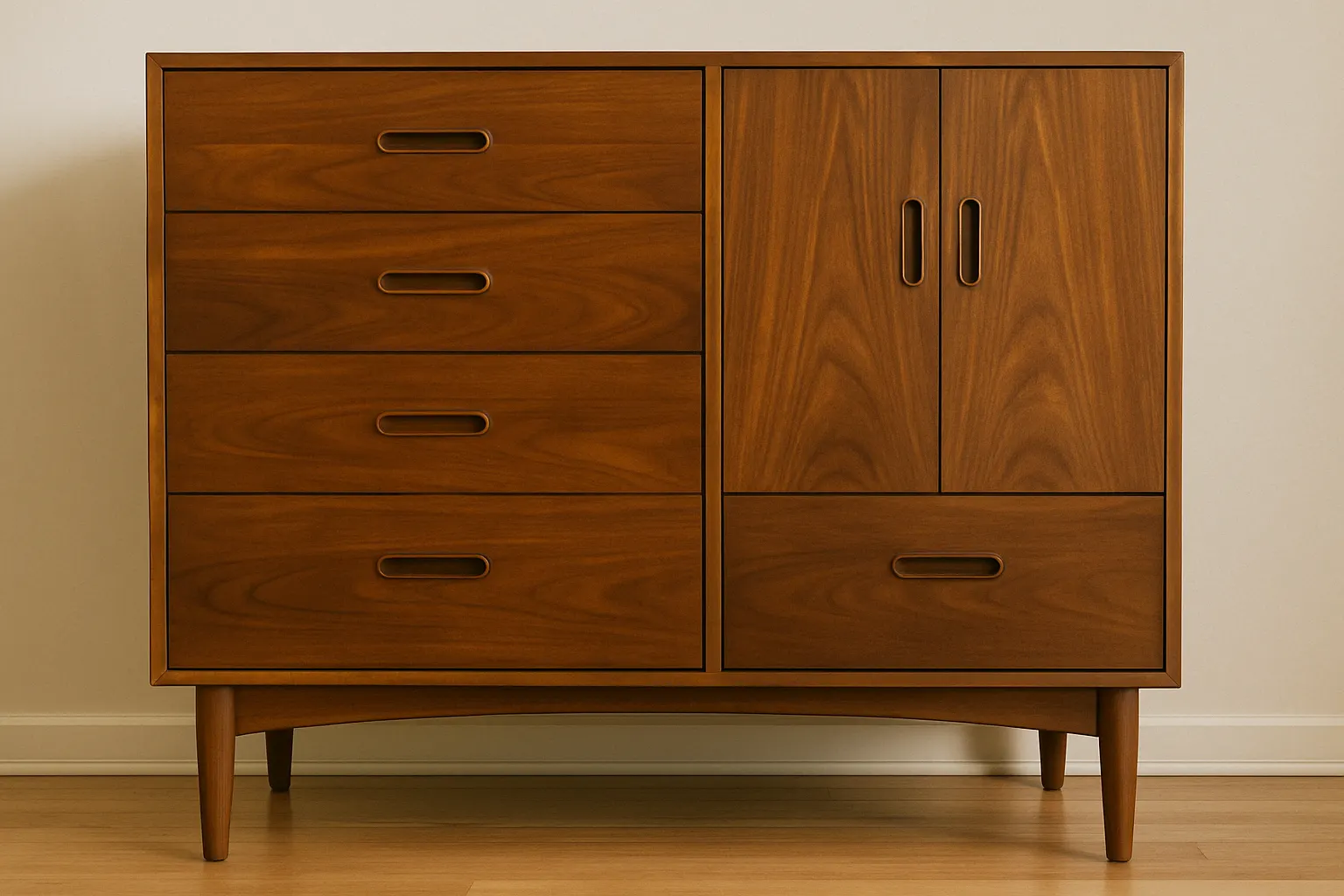


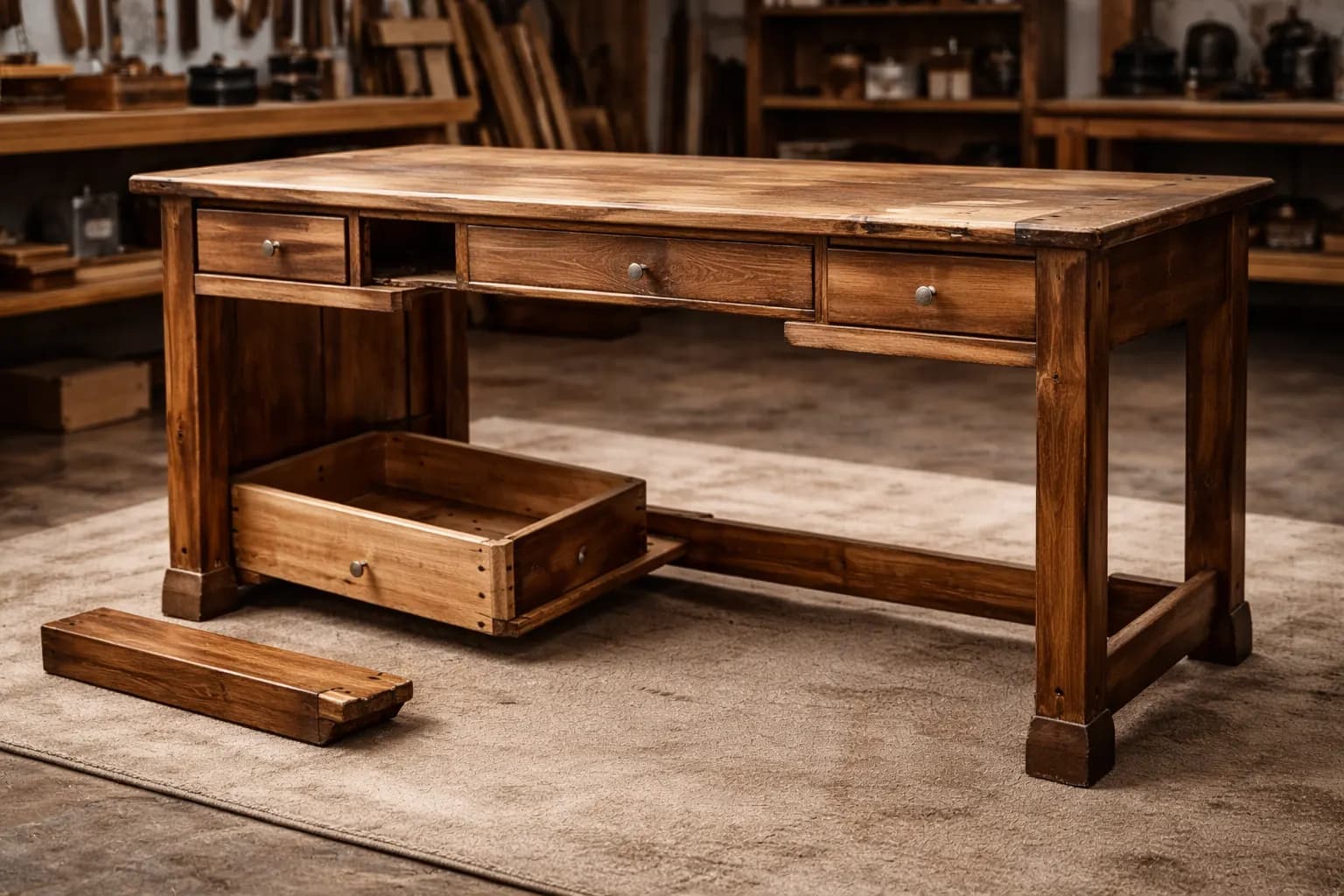
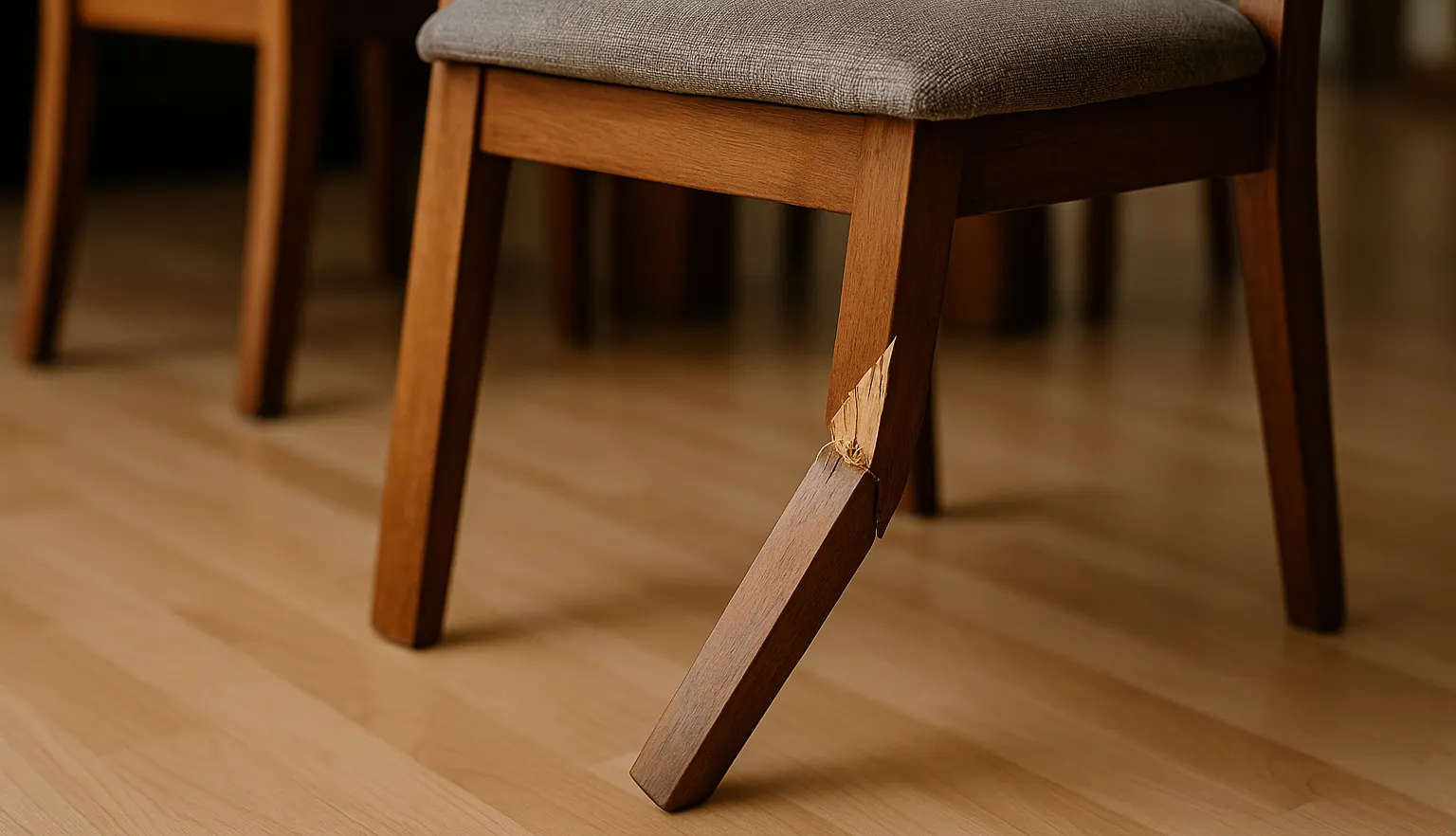
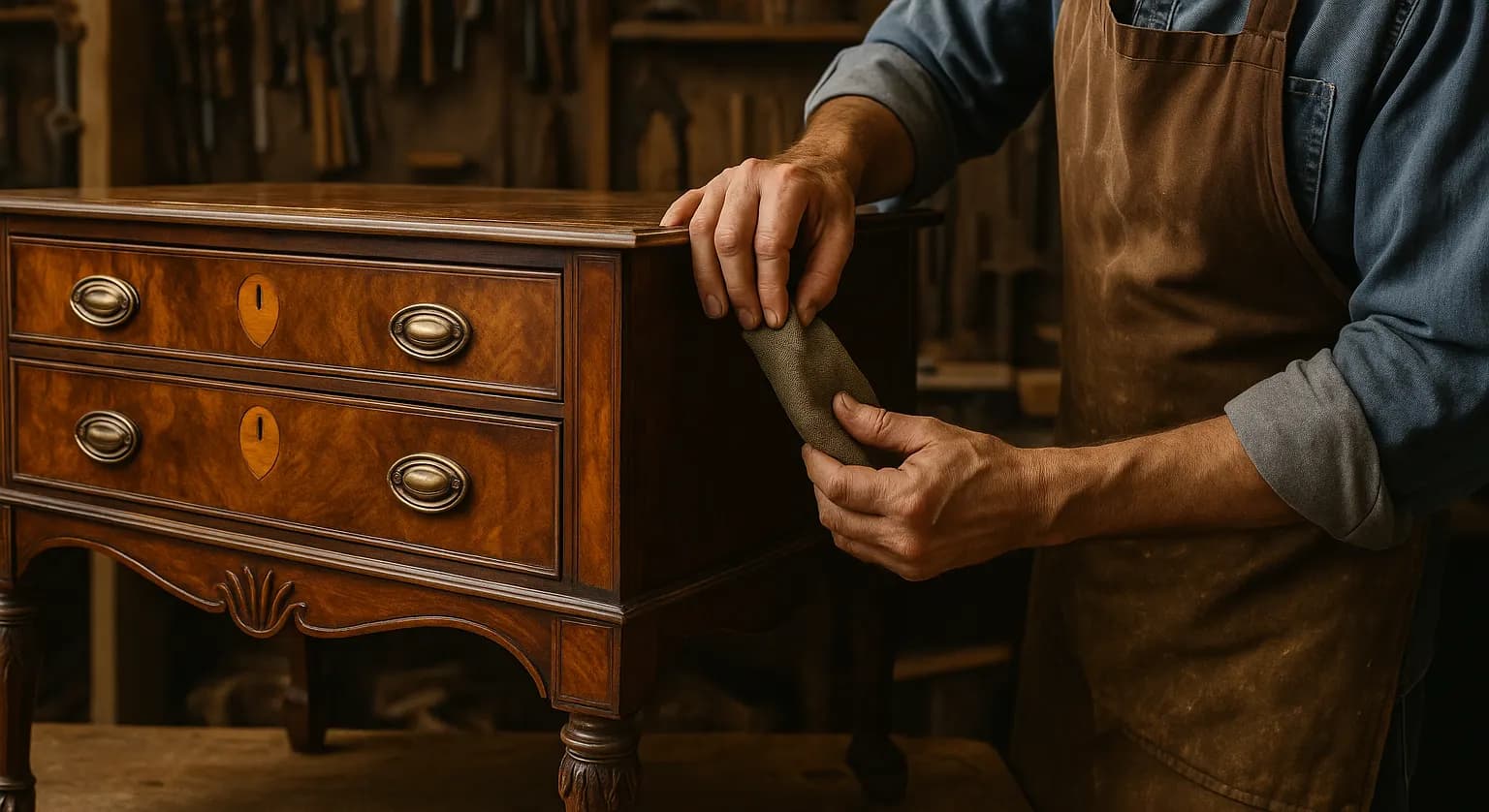
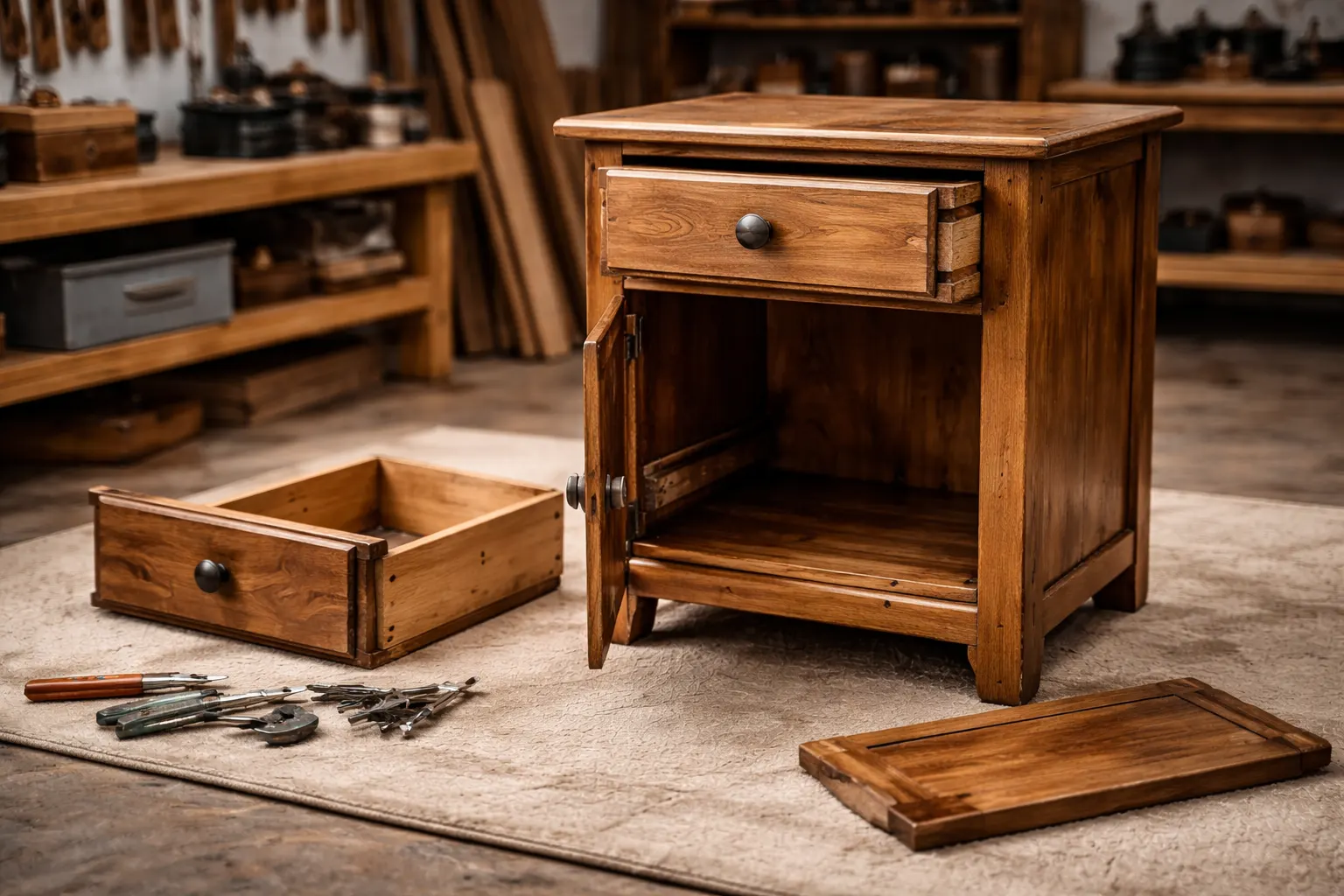
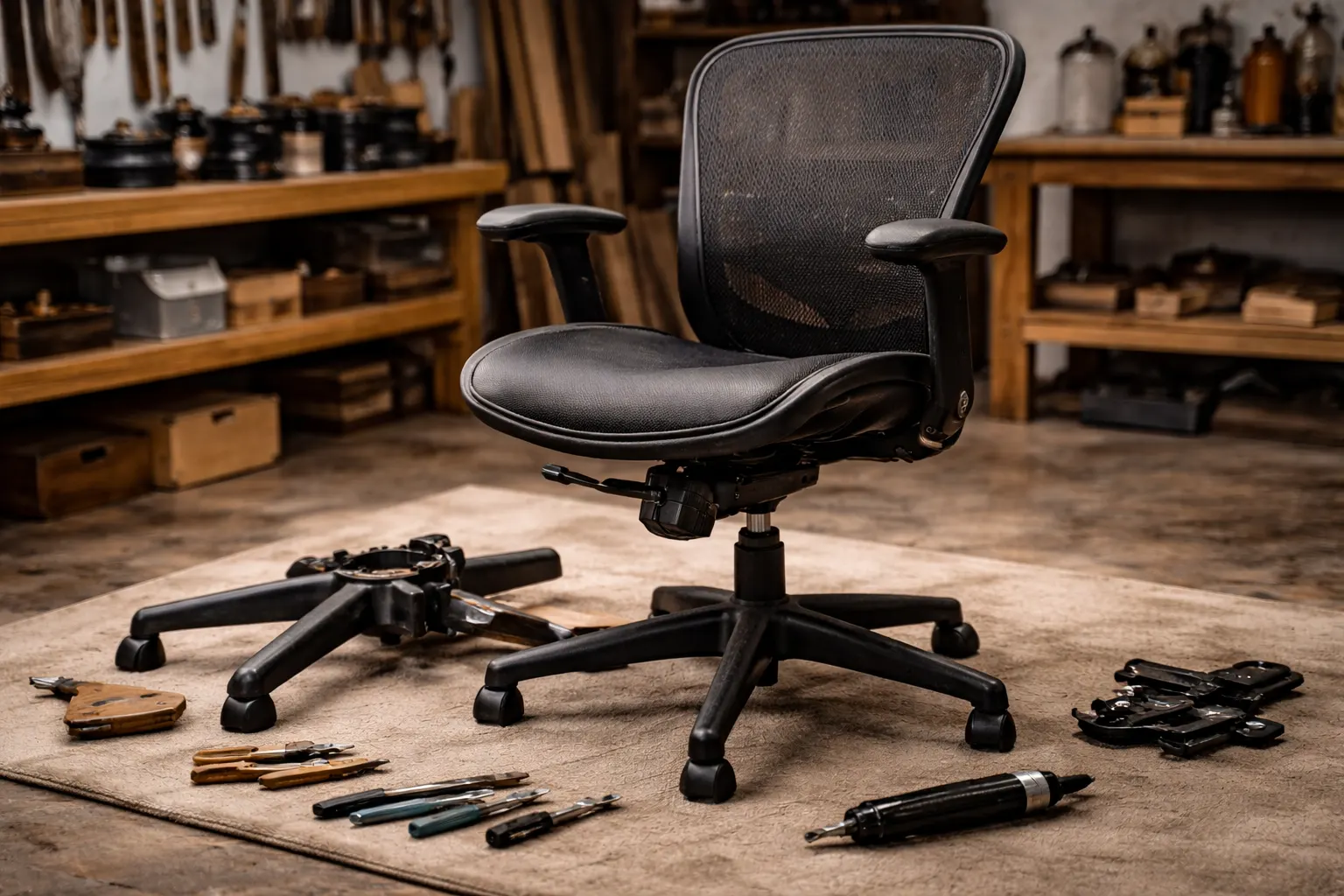
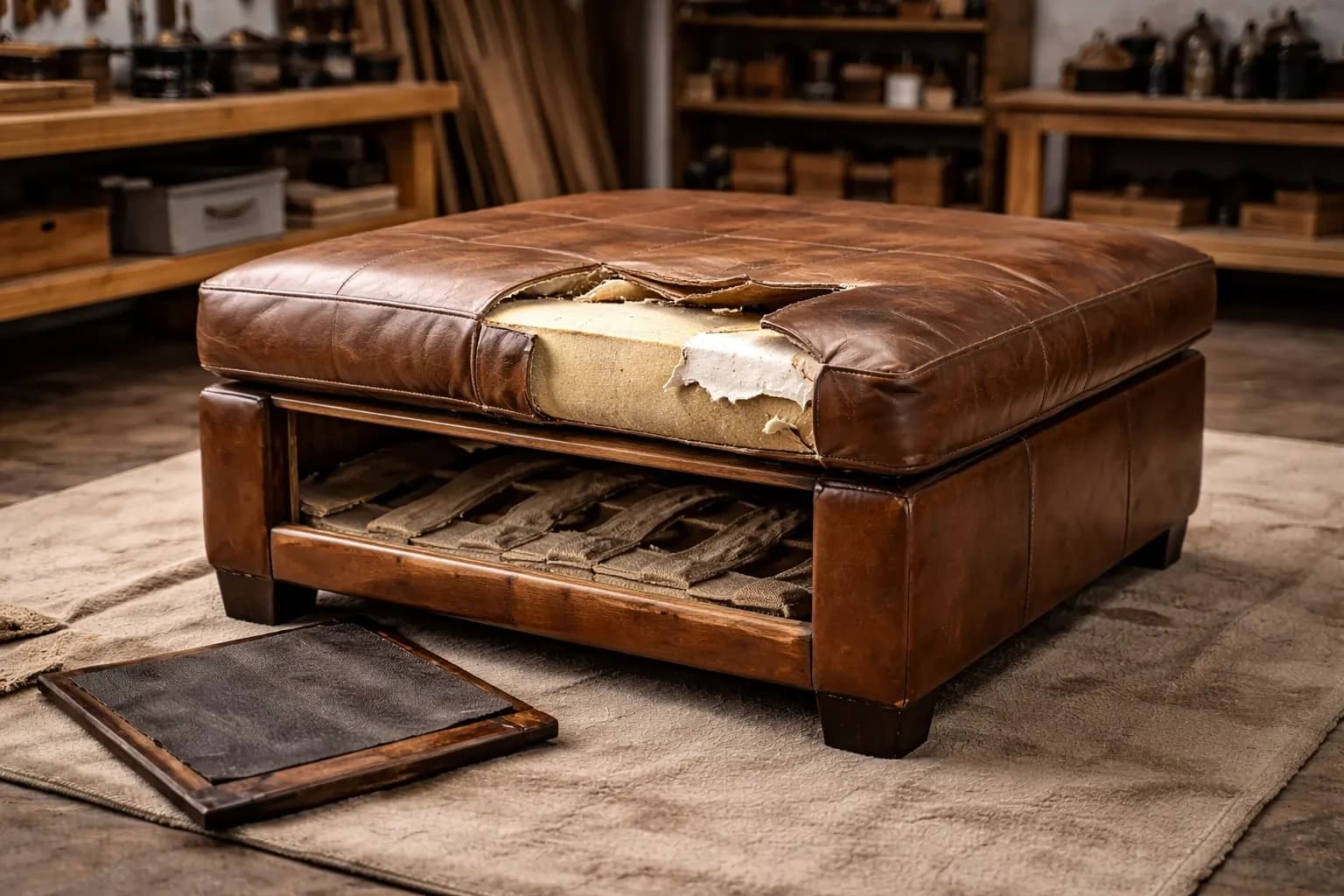
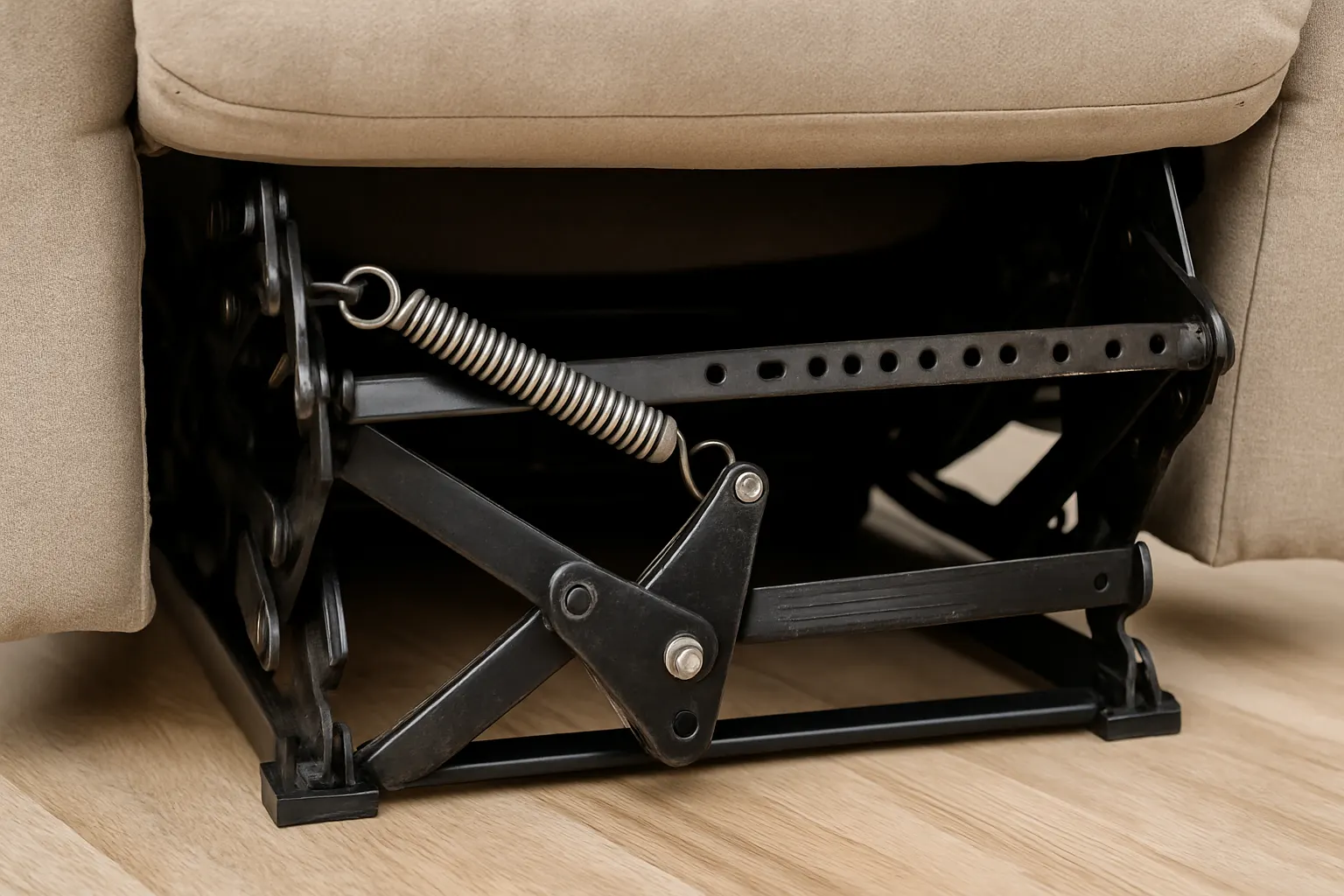

Repairing your furniture can be a smart way to save money, preserve quality, and keep pieces you love. But what does it actually cost? This guide will break it down so you know what to expect — and how to budget wisely.
Why Repair Instead of Replace?
In many cases, the materials and craftsmanship in older furniture are better than what you’ll find in today’s mass-produced pieces. Instead of tossing it, you can often restore it — and get better long-term value.
Whether it’s an heirloom or just a favorite sofa, repairing it may cost less than replacing it with something comparable.
How Much Does Furniture Repair Typically Cost?
Here’s a look at the most common types of furniture repairs and what they usually cost:
- Minor cosmetic fixes: $50–$150 for things like scuffs, dents, or loose legs
- Reupholstery: $100–$400 per seat, $700+ for sofas
- Wood refinishing: $250–$900 depending on size and condition
- Furniture structural repairs: $75–$500 for cracked frames or broken joints
- Recliner or mechanism repair: $150–$600
- Leather repair: $100–$600 depending on material
Factors That Affect the Final Price
Several things can push your price up or down:
- Size and weight: Larger pieces take more time and material
- Material type: Leather, antique woods, or custom fabrics can cost more
- Detail work: Carvings, hardware, or complex repairs require extra skill
- Pickup/delivery: Some shops charge $50–$150 for transport
Knowing this can help you compare quotes more fairly and avoid surprises.
When Is Repair Worth It?
It’s worth paying for repairs if your furniture:
- Has sentimental value or was handed down
- Is solid wood or high-quality construction
- Would cost much more to replace with similar quality
- Fits your space and style perfectly
If it’s cheap or mass-produced, replacement might be the smarter choice — especially if parts or matching fabric aren’t available.
Red Flags to Watch Out For
Avoid shops that:
- Can’t show examples of past work
- Give vague or too-good-to-be-true quotes
- Don’t explain their materials or timeline
- Have poor or no reviews online
A quality repair shop should be transparent and responsive from the start.
Final Thoughts
Furniture repair can save you hundreds, keep quality pieces in your home, and reduce waste. Whether you’re doing it for looks, comfort, or sentimental reasons — understanding the costs helps you hire smarter.